Last year I had a meeting in Tokyo with a Japanese semiconductor manufacturer. Afterward, over casual conversation, he asked me: “Taiwan’s culture, beyond bubble tea and the National Palace Museum, what else is there?”
I paused. Not because I had nothing to say. I had a whole list in my head. The Big Liar, Cloud Gate Dance Theatre, indigenous weaving, high-mountain tea ceremonies on Alishan. But I stalled because every item on that list, though I could name it, left me unable to make him feel it in a single sentence.
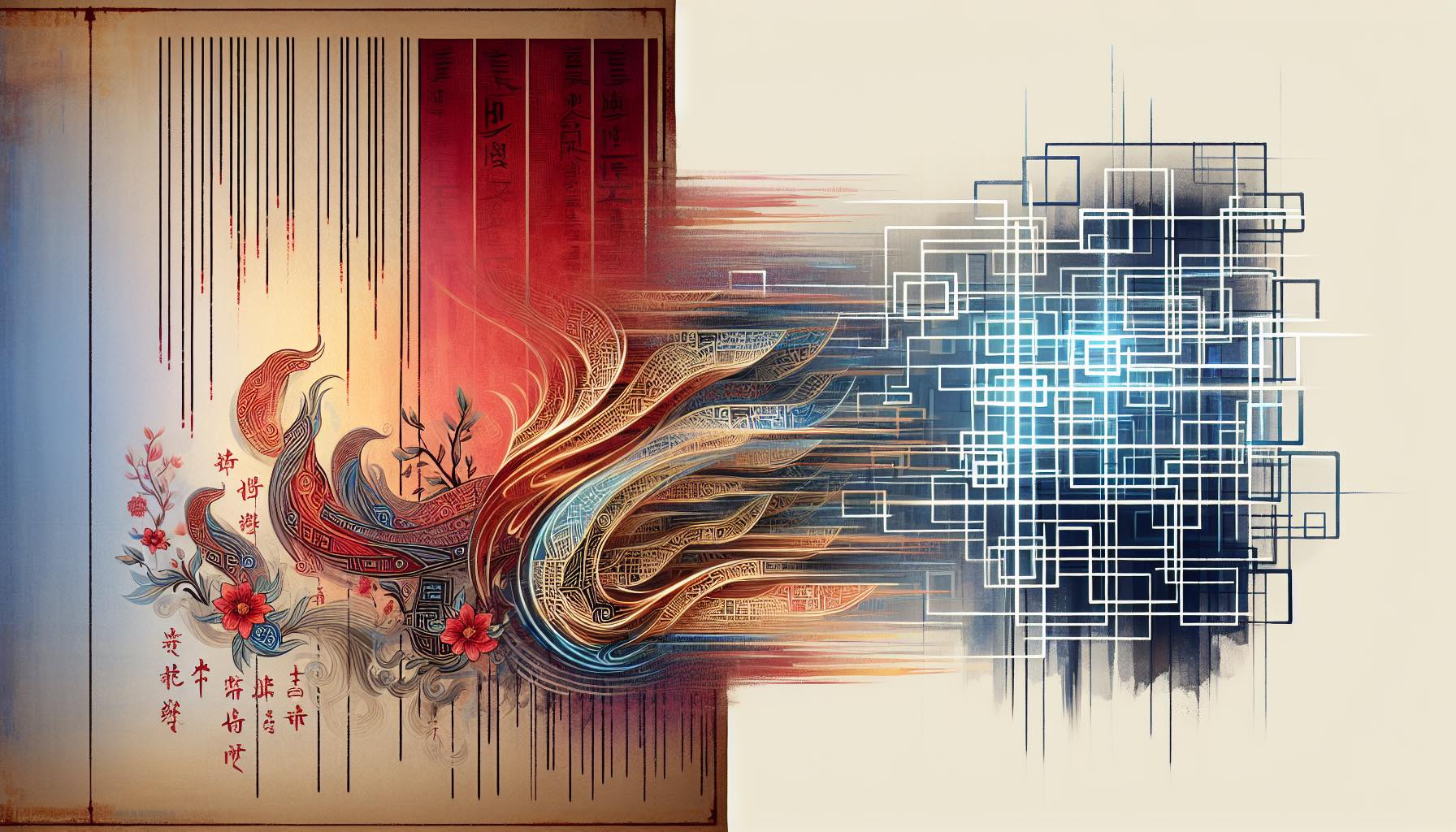
On the flight back to Taiwan, I thought about it for a long time. Then it hit me: the problem is not whether we have culture. It’s that we have never turned our culture into a language others can actually use.
China Is Selling a Cognitive Framework, Not a Product
Let me start with something uncomfortable.
Mixue Bingcheng now has more locations across Southeast Asia than Starbucks does in the same region. But it is not selling drinks. It is selling a concept: that affordable and brand-conscious can coexist. A redefinition of consumer culture itself.
Li Ziqi has accumulated over 20 million subscribers on YouTube. What she exports is not Chinese rural life. It is a perceptual framework: “slow living” as an antidote to the anxiety of globalization. Not one word of dialogue, yet young people around the world see in her videos something they desperately want but cannot name.
DJI holds more than 70 percent of the consumer drone market globally. What it actually controls is not market share. It’s the cognitive category of “aerial perspective.” When you think drone, you think DJI. That is not marketing. That is category ownership.
The common thread: none of these are simply selling products. They are exporting a way of understanding the world.
Grammar vs. Vocabulary
This distinction matters.
Most of Taiwan’s cultural exports remain at the level of vocabulary: we have excellent content, excellent work, excellent creators. But these are individual words, not grammar.
Vocabulary is “bubble tea tastes great.” Grammar is the structure that explains why young people everywhere are drinking hand-shaken beverages, a framework that lets vocabulary be combined, spread, and picked up by others of their own accord.
What China is doing is upgrading culture from vocabulary to grammar. Palace Museum merchandise is not just tape printed with ancient paintings. It is building a “Eastern color system,” an aesthetic library that designers can draw from directly. That is the leap from content to infrastructure.
Does Taiwan have anything comparable?
Honestly, very little. We have many moving stories, but we have not turned those stories into structures that others can actually use.
A Logic I Learned from Circular Economy
I have worked in the circular economy sector for over ten years. One thing this industry taught me: value does not live in the object itself. It lives in how you define it.
The same discarded circuit board, call it waste and it goes into the incinerator. Call it an urban mine and it becomes thousands of dollars in recoverable precious metals. The physical composition does not change. The cognitive frame does.
Cultural discourse power follows exactly the same logic.
Taiwan’s cultural assets, tea ceremony, indigenous aesthetics, temple architecture, our singular democratic experience, are already rich in their “physical composition.” The question is whether we have built a cognitive framework around them that international audiences can actually reach for.
China turned Dunhuang into a digital immersive experience. It turned Along the River During the Qingming Festival into an NFT authentication project. They are not preserving culture. They are listing cultural assets on the shelves of global digital civilization.
Taiwan’s cultural assets? Most of them are still sitting in exhibition halls, waiting for tourists to come look.
Taiwan’s Real Advantage
That said, I am not here to write Taiwan off. Quite the opposite.
Working at the Taiwan-Japan semiconductor collaboration front line, I have noticed something: Japanese professionals trust Taiwan at a level they simply do not extend to China. This goes beyond politics. It is a cultural disposition. Taiwanese honesty, flexibility, and the commitment to doing things right rather than just getting them done, these qualities are extraordinarily valuable in cross-border collaboration.
The problem is that we have never consciously branded them.
Japan has shokunin craftsmanship. Scandinavia has hygge. Korea has hallyu. These are more than adjectives. They are cultural brands that have entered the global lexicon.
What is Taiwan’s equivalent?
Our warmth, resilience, and pluralism, they genuinely exist. But they remain at the stage where only people who have actually visited Taiwan know about them. Without a name, something cannot spread. Without spread, it cannot become discourse power.
This Is Not a Volume Problem
The competition for cultural discourse power is not won by shouting louder. It is won by building a narrative order that others will reach for on their own.
China operates through a combination of state power and commercial infrastructure, a path Taiwan cannot follow, and should not try to. But there is another path: substituting authenticity for scale. In an era of rampant misinformation and eroding trust, being real is among the scarcest currencies there is.
Taiwan’s opportunity is not to out-shout China. It is to become a trusted cultural interface: one where engaging with Taiwanese content feels genuine, without requiring any guard to be up.
But this requires design. Authenticity is raw material, not finished product. You have to shape authenticity into a format that can be perceived, replicated, and diffused.
Back to that flight from Tokyo to Taipei.
If I were asked again, “Taiwan’s culture, beyond bubble tea and the Palace Museum, what else is there?” here is what I would say now:
Taiwan is one of the very few places in the world that can simultaneously hold East and West, operate across technology and the humanities, and remain rooted in tradition while staying open. We are not the loudest. But we may be the most genuine.
The only question is whether we are willing to take that genuineness and turn it into a grammar the whole world can use.
💬 Comments
Loading...